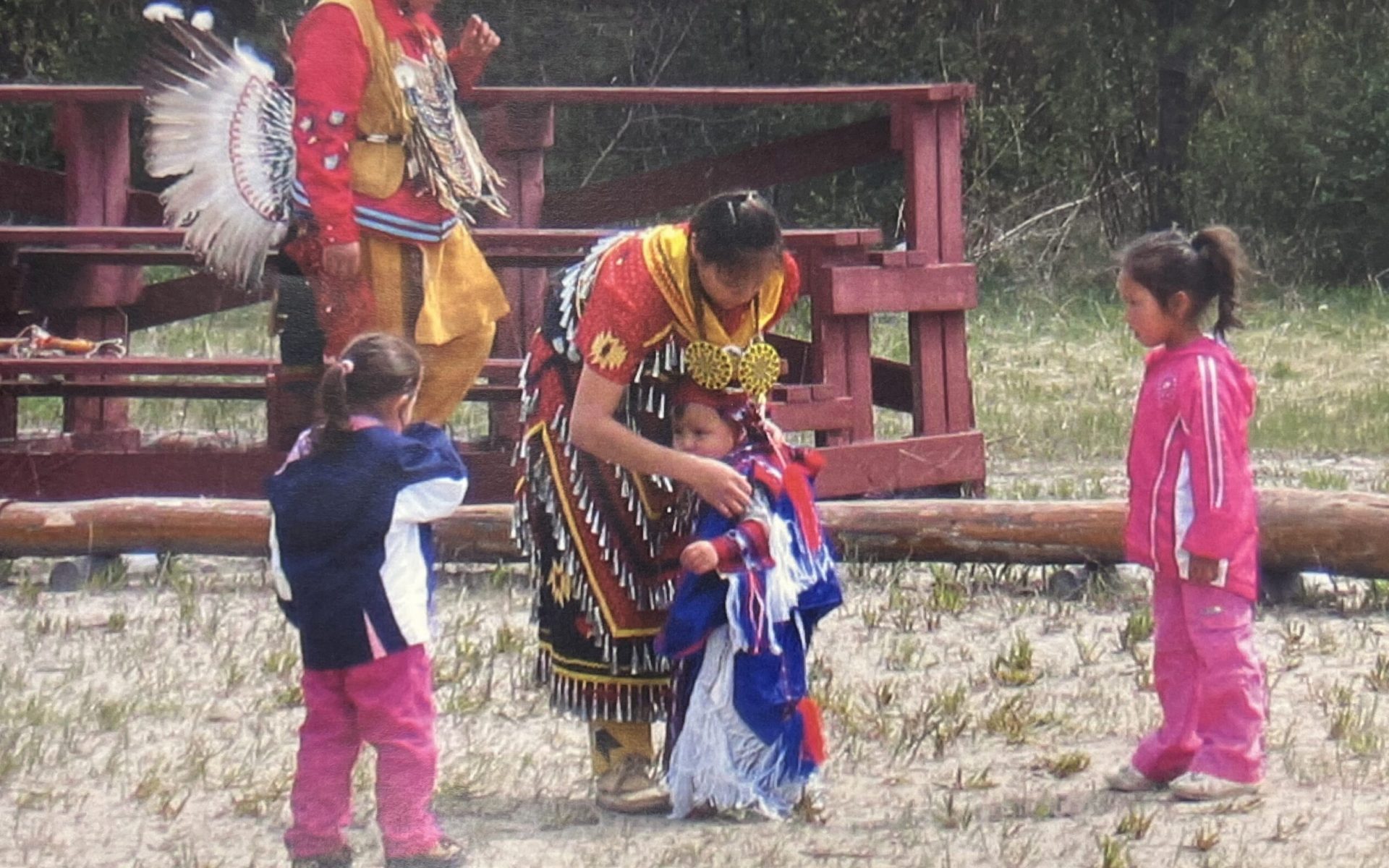
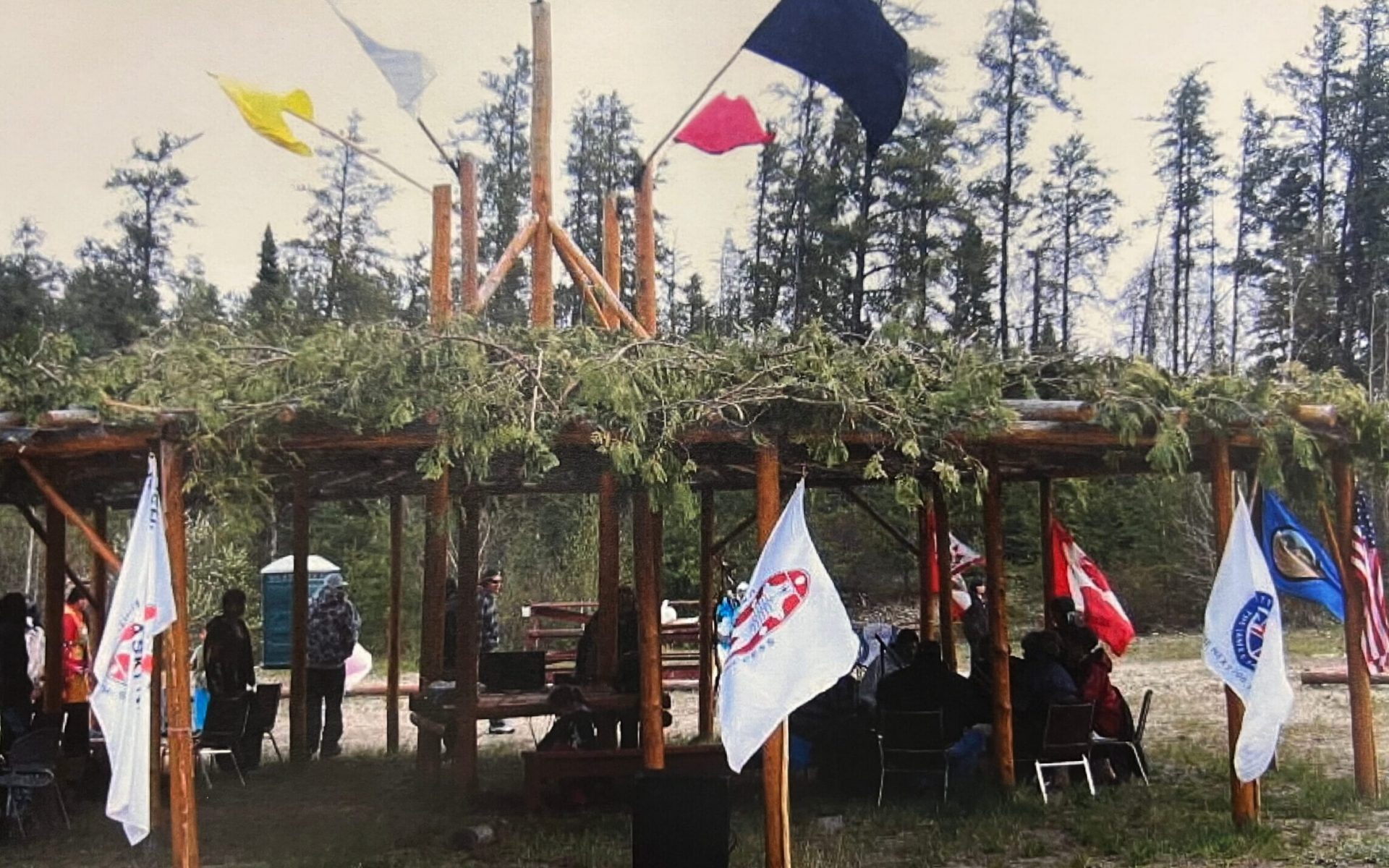
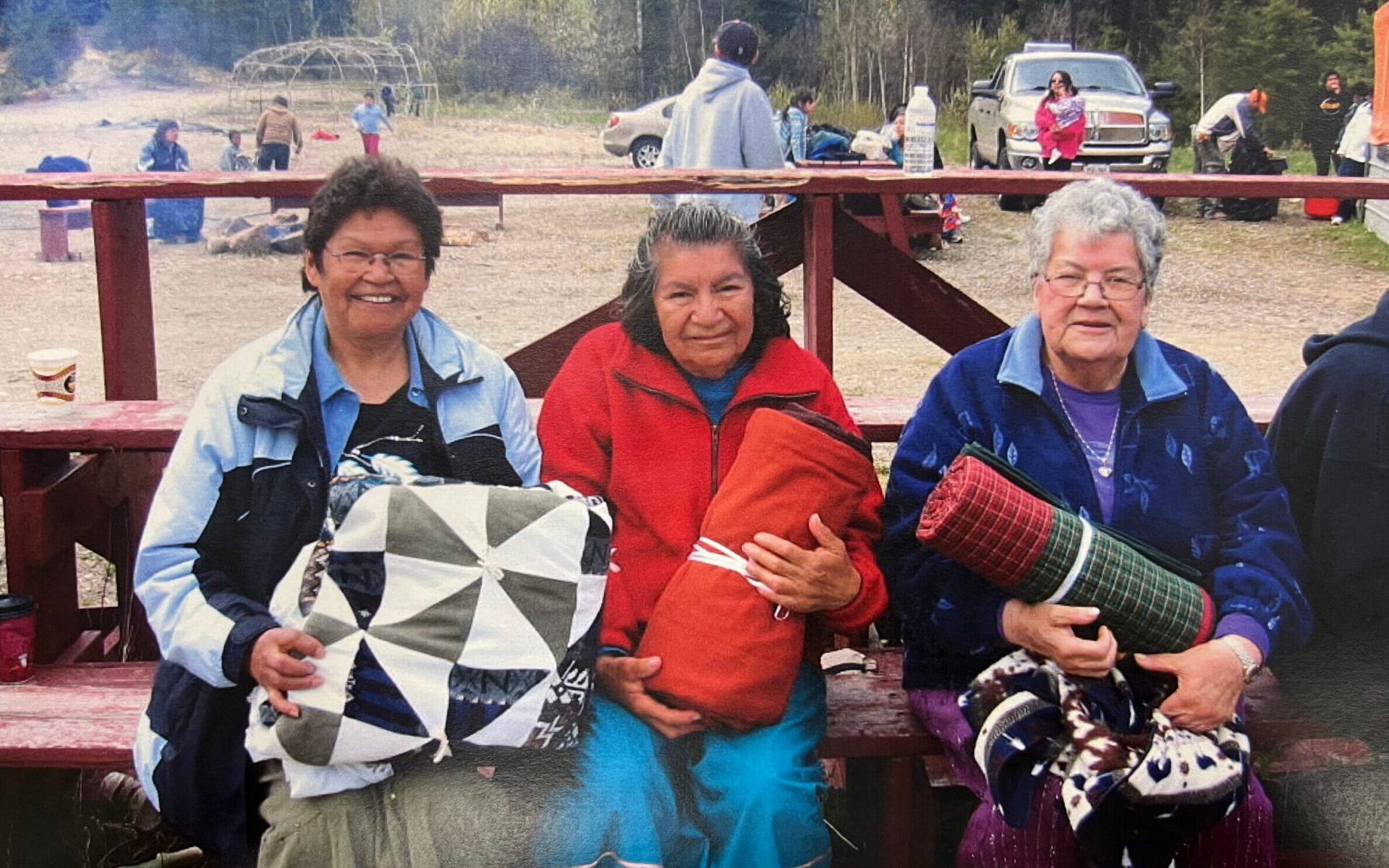
‘Kunuwanimano means “Keeping Our Own” in Cree. It reflects our commitment to ensuring families remain connected to community, culture and tradition.’
Our History
KUNUWANIMANO
“Keeping Our Own”
1989
Agency Founded
Kunuwanimano Child & Family Services, begins prevention and family support services as an Indigenous child and family services agency under Part X of the 1984 Child & Family Services Act.
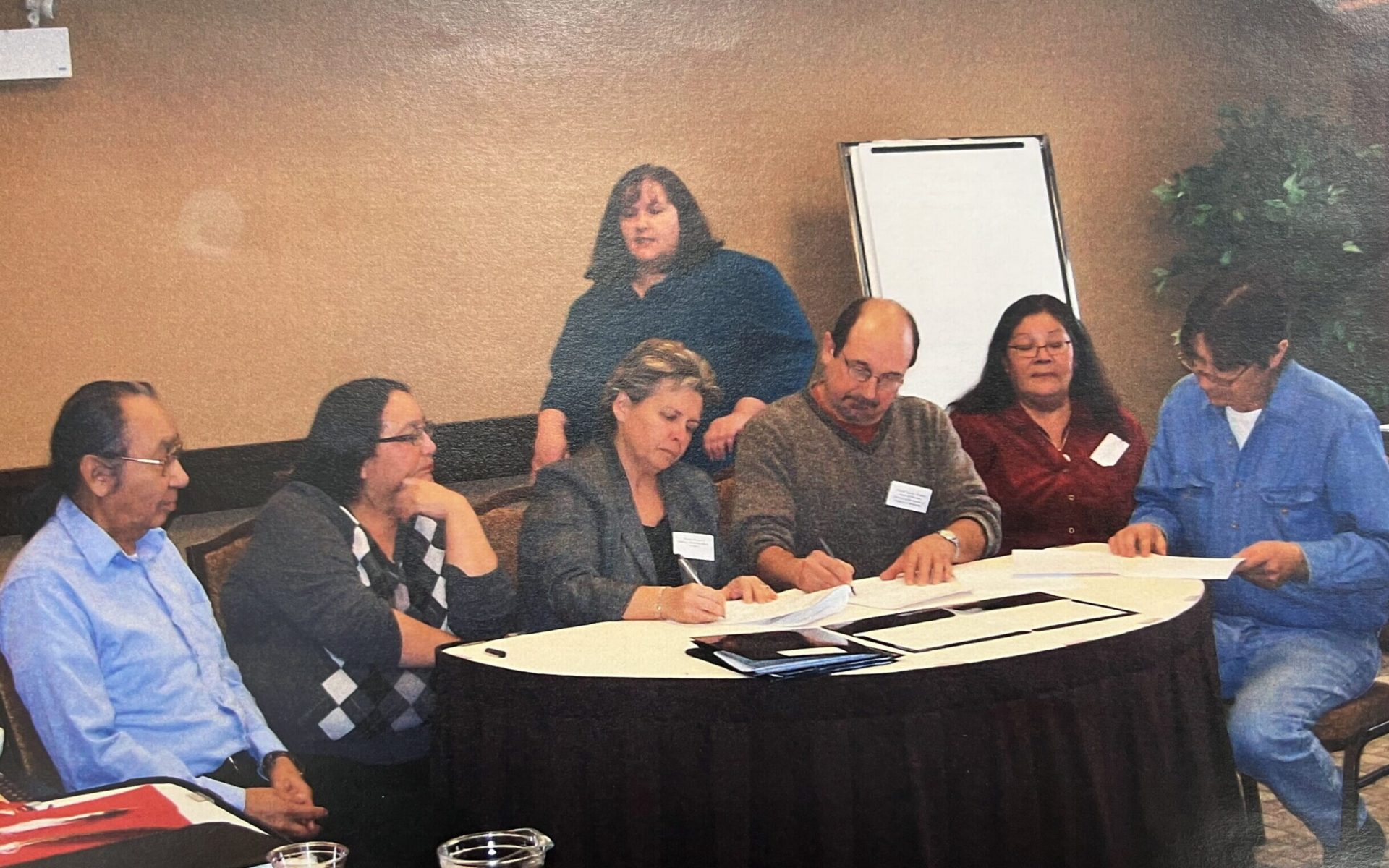
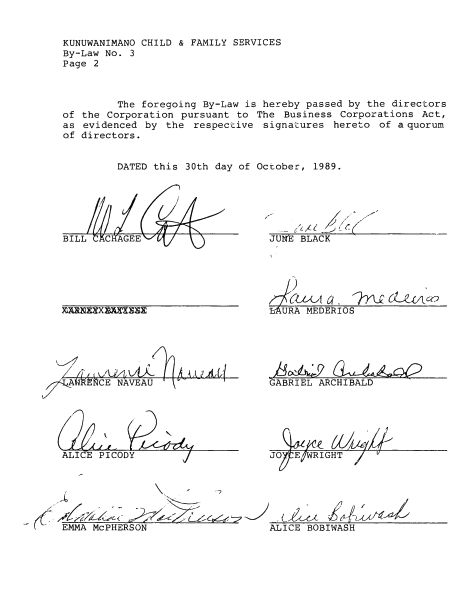
The First Nation leadership of Wahgoshig (Apitipi Anicinapek), Beaverhouse, Brunswick House, Chapleau Ojibwe, Matachewan, Mattagami, Constance Lake and New Post (Taykwa Tagamou) worked together to create the agency, the governance structure and the by-laws.
KCFS 1989 By-law 3.01
"Services will be provided to children and their families living on reserves and in native communities in the Wabun Tribal Council Region, Constance Lake and New Post Band and the native people residing in urban areas within the following region: North of 47.5 Parallel at the Southern boundary of the Arctic Watershed, North to Payukotayno jurisdiction, west to Tikinagan jurisdiction, east to the Province of Quebec."
1989
1993
Governing First Nations Expand
Chapleau Cree, Hornepayne, and Missanabie Cree join as KCFS governing First Nations.
1993
2001
Licensed for Foster Care
Kunuwanimano Child & Family Services becomes licensed for foster care.
Policy & Procedure
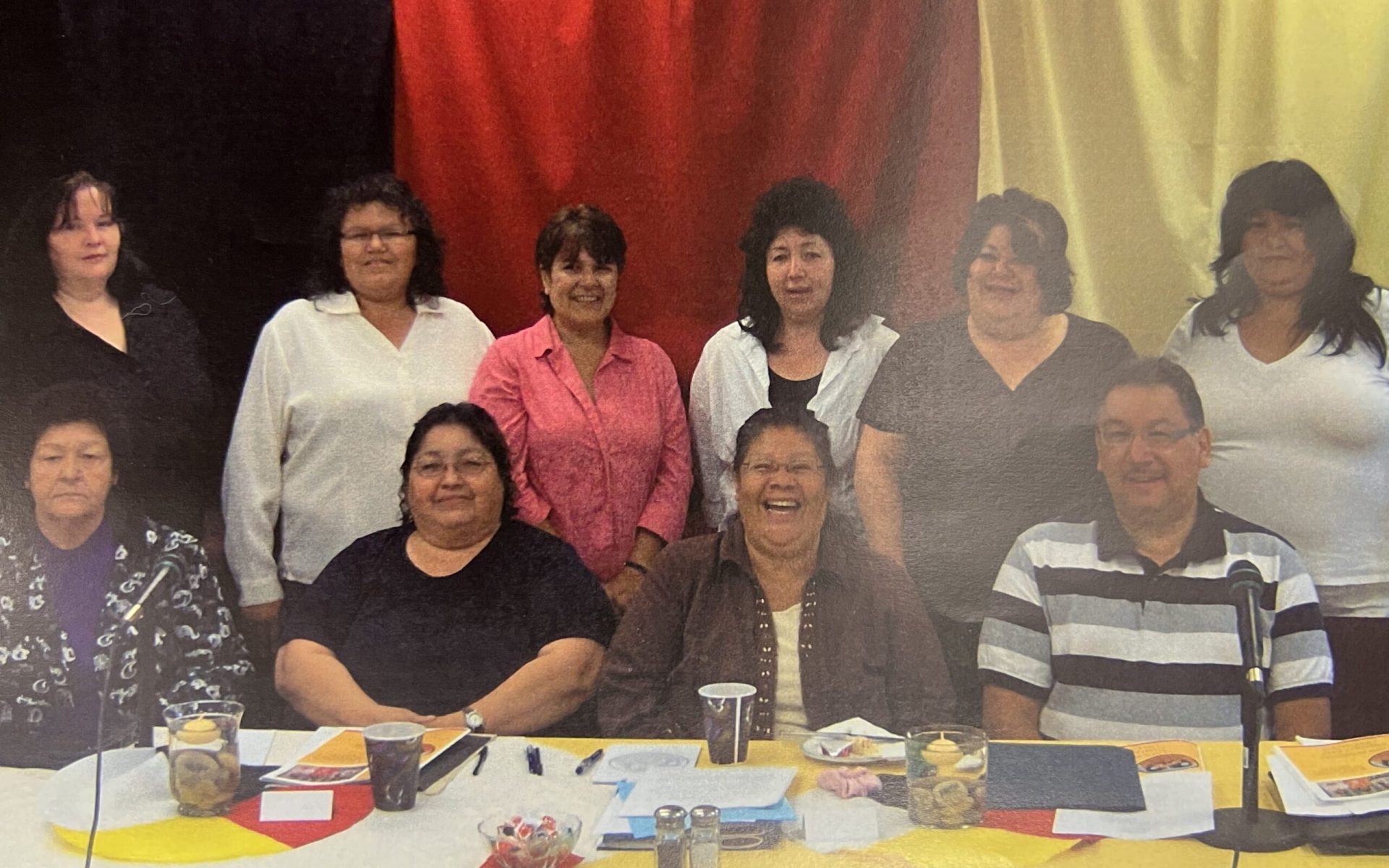
The first policies and procedures were developed by Ann Batisse from Matachewan First Nation and Alice Bobiwash, Jemima Baxter and Hazel Laforme from Constance Lake First Nation.
2001
2011
Pursuing Mandated Status
KCFS seeks mentorship from Anishinaabe Abinoojii Family Services to support the process of becoming a mandated Children’s Aid Society.
2011
2015
Mandated Children's Aid Society
Kunuwanimano Child & Family Services receives mandated status from the province as an Indigenous Children’s Aid Society. This status allows the agency to provide a full range of child protection and prevention services, ensuring that First Nations children and families received culturally appropriate care and support.
2015
2026
The final report of the Truth and Reconciliation Commission released
The final report of the Truth and Reconciliation Commission released.
“Calls to Action
In order to redress the legacy of residential schools and advance the process of Canadian reconciliation, the Truth and Reconciliation Commission makes the following calls to action.
Legacy – Child Welfare
1. We call upon the federal, provincial, territorial, and Aboriginal governments to commit to reducing the number of Aboriginal children in care by:
i. Monitoring and assessing neglect investigations.
ii. Providing adequate resources to enable Aboriginal communities and child-welfare organizations to keep Aboriginal families together where it is safe to do so, and to keep children in culturally appropriate environments, regardless of where they reside.
iii. Ensuring that social workers and others who conduct child-welfare investigations are properly educated and trained about the history and impacts of residential schools.
iv. Ensuring that social workers and others who conduct child-welfare investigations are properly educated and trained about the potential for Aboriginal communities and families to provide more appropriate solutions to family healing.
v. Requiring that all child-welfare decision makers consider the impact of the residential school experience on children and their caregivers.
2015
2019
Bill C-92
An Act respecting First Nations, Inuit and Métis children, youth and families was passed on June 21, 2019. Through the Act, national principles such as the best interests of the child, cultural continuity, and substantive equality have been established to help guide the provision of Indigenous child and family services. The Act also enables Indigenous groups and communities to transition toward exercising partial or full jurisdiction over child and family services at a pace that they choose.
2019
2026
Ontario Final Agreement
KCFS supports the implementation of the Ontario Final Agreement on the Long-Term Reform of Child and Family Services through collaboration and information sharing as First Nations prepare to expand the delivery of Prevention services and Post-Majority Support services to their members.